As the global push for sustainability accelerates, net-zero buildings are no longer a futuristic concept but an urgent imperative. These structures, designed to produce as much energy as they consume annually, are foundational to reducing carbon emissions and achieving ambitious environmental targets. While often associated with cutting-edge architecture or innovative mechanical systems, the true engine driving net-zero outcomes lies in a powerful, often underestimated, discipline: electrical engineering.
While solar arrays, high-performance envelopes, and sustainable materials often steal the spotlight, it’s electrical engineering that truly powers a building’s ability to achieve, sustain, and demonstrate net zero performance. Without a comprehensive, forward thinking electrical strategy, even the most ambitious green building plans can fall short. In this blog, we’ll delve into the critical contributions of electrical engineering, explore the key technologies we leverage, address common misconceptions, and highlight the unique challenges we overcome to power the net-zero revolution.
Why Electrical Engineering is Indispensable for Net-Zero
Electrical systems account for approximately 50% of a building’s energy use – encompassing everything from lighting and plug loads to the power required for sophisticated HVAC systems and vertical transportation. Achieving net-zero demands a meticulous approach to these systems, requiring:
- Optimizing Energy Efficiency Design systems to slash energy demand. Intelligent lighting controls, like occupancy sensors and daylight dimming, can reduce lighting loads by up to 50% while maintaining comfort. High-efficiency power distribution systems minimize losses, and variable frequency drives (VFDs) optimize equipment like pumps and fans. Load shifting strategies schedule non-critical equipment (e.g., compressors, pumps) during off-peak hours, smoothing peaks and lowering utility demand charges. These measures shrink the energy load that renewable must offset, making net-zero achievable.
- Seamless Renewable Integration Renewable energy is the heart of net zero energy buildings. Engineers design solar photovoltaic (PV) arrays, small-scale wind turbines, or geothermal systems, ensuring they integrate smoothly with the building’s electrical grid. This involves sizing inverters, balancing loads, and meeting utility standards for safe, efficient operation.
- Energy Storage Solutions and Electric Vehicles Energy storage systems (ESS) store excess renewable energy for use during low production periods, like cloudy days or evenings. Strategic placement and load management of charging stations prevent grid overload, while pre-wiring for future expansion ensures scalability as fleets electrify. With electric vehicles (EVs) on the rise, net zero buildings often include charging stations powered by renewables. Engineers design level 2 and DC fast chargers, implement load management to prevent grid strain, and plan for scalability. Emerging vehicle-to-building (V2B) protocols allow EVs to feed energy back to buildings, enhancing net-zero performance. Engineers design battery systems to ensure reliability and safety. Tesla’s Powerwall, for example, showcases how storage balances solar intermittency in residential and commercial settings.
- Smart Grids and Demand Response Smart grids enable buildings to interact dynamically with utilities, balancing supply and demand. Advanced controllers enable buildings to island during outages and participate in demand response or virtual power plant schemes—transforming passive loads into active grid partners. Engineers deploy advanced metering infrastructure (AMI) for real-time energy tracking and demand response systems to adjust consumption during peak periods. This reduces costs and supports grid stability, a key factor in net-zero design while designing for filtering and harmonic mitigation preserves equipment life and prevents silent energy losses that can erode net-zero gains.
- Integrated Data Acquisition & Analytics Granular metering of circuits, inverters, and storage units feeds dashboards that track energy use intensity, carbon emissions, and state of charge—turning net-zero from aspiration into measurable reality. Machine learning algorithms analyze sensor data to anticipate equipment inefficiencies or maintenance needs, ensuring continuous optimization and avoiding performance drifts.
Without the holistic planning and intricate execution provided by electrical engineers, net-zero aspirations remain theoretical.
Key Technologies for Net-Zero
Electrical engineers are at the forefront of designing, implementing, and optimizing the technologies that make net-zero possible:
1. Renewable Energy Integration & Management
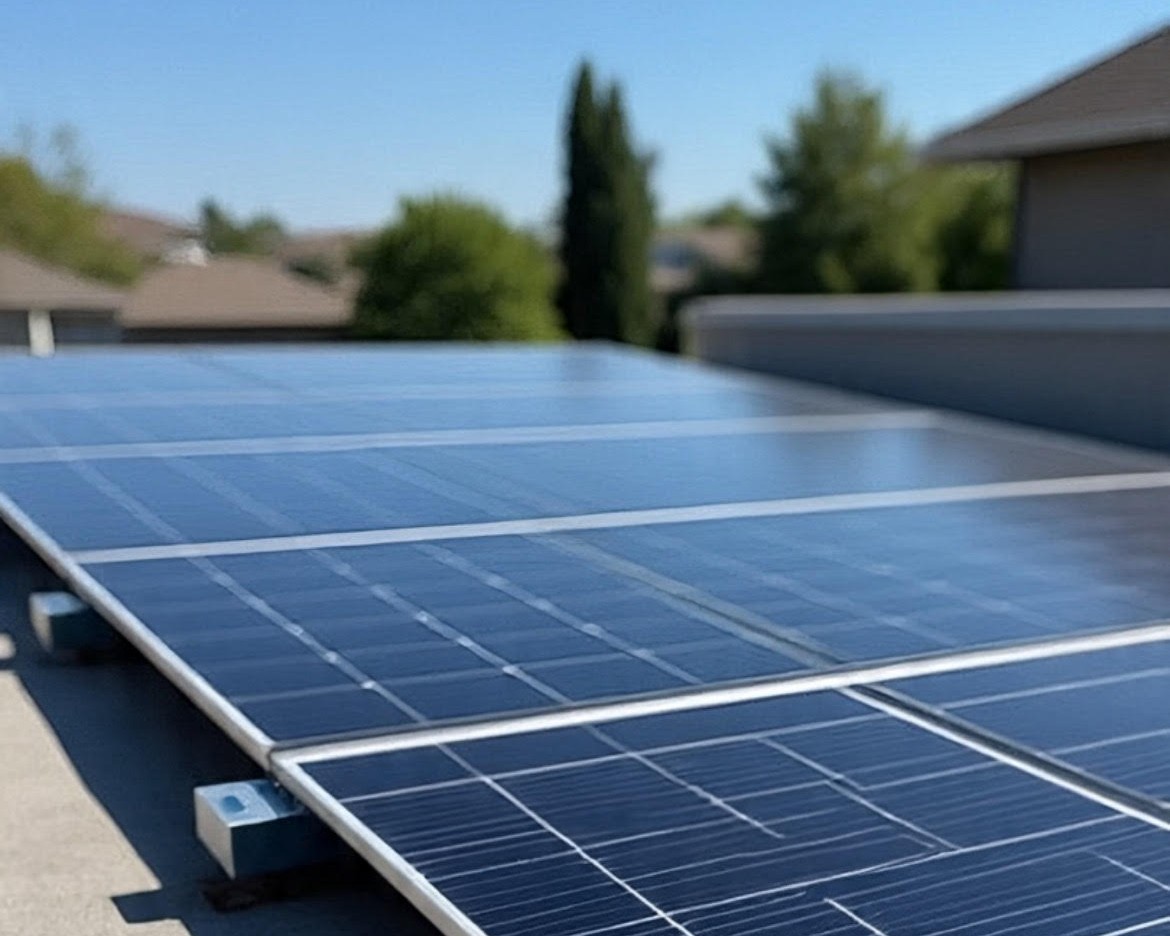
- Solar Photovoltaics (PV): Designs must ensure optimal sizing, electrical layout, inverter selection, and balance-of-system components for rooftop and façade-mounted PV arrays. This maximizes energy yield, ensures seamless grid compliance, and accounts for factors like shading and voltage drop.
- Small-Scale Wind & Geothermal: A good design of electrical interconnection and power conversion systems for small-scale wind turbines and the electrical components necessary for efficient geothermal heat pump integration, ensures they interface effectively with building loads and the grid.
- Coordinating hybrid systems: When there are multiple systems to be integrated such as solar plus micro-turbines or geothermal—through power electronics that balance multiple energy streams must be implemented which includes sizing PV arrays, inverters, combiner boxes and conduit runs to optimize yield and meet utility interconnection rules.
2. Advanced Energy Storage Solutions
- Battery Energy Storage Systems (BESS): The entire electrical infrastructure for BESS design must ensure robust, safe, and highly efficient operation. This involves carefully selecting modular battery systems, including emerging flow and second-life chemistries, and integrating specialized inverters to manage precise charge/discharge cycles. The focus should be on optimizing the safety, BESS’s lifecycle performance, integrating it seamlessly with renewable sources and building loads, and implementing sophisticated control algorithms alongside robust safety systems and power conditioning. This provides critical reliability, significantly reduces reliance on the grid, and enables advanced functionalities like peak-shaving, demand response, and microgrid islanding for enhanced resilience during grid outages.
- Thermal Storage (Electrical Integration): Electrical and mechanical engineers are critical in providing the precise power and control wiring for pumps and sensors that manage chilled-water tanks or phase-change materials. This enables the electrical load shifting necessary to reduce peak demand charges and carbon intensity.
3. EV Charging Infrastructure & Grid Interactivity
- Smart Charging Stations: As electric vehicles become ubiquitous, buildings need to evolve into vital mobility hubs, possess level 2 and DC fast chargers, have intelligent load-management systems preventing transformer overload and planning for the electrical pathways that enable future vehicle-to-building (V2B) and vehicle-to-grid (V2G) protocols.
- Preparing for Bi-directional Flow (V2G): While broad bidirectional power flow to the grid from buildings is in early stages of implementation in Ontario, designing systems that are V2G-ready is crucial. This involves configuring chargers and communication protocols to allow for future scenarios where parked EVs could become mobile energy assets, feeding power back to a building or grid during peak events, thereby enhancing grid stability.
4. Advanced Digital & Grid Integration Technologies
- Smart Grids & Microgrids: Electrical engineers are key to configuring local microgrids that link distributed energy resources and building loads under a single intelligent controller. Implementing interoperability protocols (e.g., IEEE 2030 standards) allows for buildings to intelligently interact with the utility grid and participate in demand response, exporting flexibility, earning revenue, and stabilizing the grid.
- Solid-State Transformers (SSTs): These compact, high-efficiency devices represent a significant leap in power distribution. Electrical engineers are exploring and integrating SSTs for their ability to provide finer voltage control, embed intelligence directly into the transformer, and handle bidirectional power flow. They pave the way for smarter, more resilient distribution networks within net-zero buildings and beyond.
What Often Gets Overlooked
While renewable generation and energy efficiency frequently dominate net-zero conversations, several critical electrical engineering aspects often fly under the radar:
- Power Quality & Resilience: Voltage sags, harmonics, and unbalanced loads can degrade sensitive equipment, disrupt automation, and reduce the lifespan of renewables. Electrical engineers must design robust power conditioning, redundant pathways, and protective relaying for true building reliability and grid independence during outages. This is paramount for business continuity and occupant safety.
- Electrical Data Infrastructure: Beyond just installing smart devices, the seamless collection, transmission, and secure management of energy data from countless sensors and meters rely entirely on a robust electrical network design. This hidden infrastructure is crucial for accurate performance monitoring and AI-driven optimization.
- Safe & Compliant Grid Interconnection: Integrating on-site generation and storage with the utility grid is far more complex than a simple “plug-in.” It demands intricate knowledge of evolving interconnection standards, rigorous safety protocols, and protective device coordination to prevent operational risks and ensure regulatory compliance.
- Lifecycle Cost Modeling: Beyond upfront capital, quantifying full life savings from high efficiency systems help guide owners to investments that accelerate ROI and resilience.
- Cyber Physical Safeguards: With controls and grid interfaces becoming digital, cyber security measures must be implemented to protect against disruptions and safeguard occupant comfort.
- Building Envelope Impact: Poor insulation or windows increase electrical loads. Engineers must collaborate with architects to optimize envelopes, reducing demand for oversized systems.
- Lifecycle Emissions: The embodied carbon in wiring, switchgear, and batteries can undermine net-zero goals. Engineers should look into how to select low-impact materials and plan for recycling to minimize footprints.
- Battery Safety Risks: Thermal runaway in certain battery chemistries is often overlooked. Prioritizing safer alternatives like sodium-ion or solid-state batteries to mitigate fire risks may be some options for engineers and owners to review.
Challenges on the Net-Zero Frontier
Electrical engineers face unique hurdles on the path to net-zero:
- Regulatory Complexity: Evolving grid interconnection standards, local energy efficiency mandates, and various incentive programs (across municipal, provincial, and federal levels) demand continuous upskilling and agile design approaches. Staying abreast of these changes to ensure compliance and maximize project benefits is paramount.
- Interdisciplinary Coordination: Net-zero success hinges on seamless collaboration. Electrical, mechanical, architectural, and sustainability teams must work in lockstep from day one. Bridging these disciplines, ensuring early electrical design integration to prevent costly late-stage changes that can derail both schedule and budget must be done from the onset of any project design.
- Technology Maturation & Economics: While new energy storage chemistries or advanced microgrid controllers offer immense potential, their novelty can sometimes lack long-term proven track records. Tying large on-site generation or fast charging EV stations to aging distribution networks can trigger infrastructure upgrades. Balancing cutting-edge solutions with robust, cost-effective designs, ensuring client buy-in and a clear return on investment must be done on all projects.
Common Misconceptions Debunked
- “Net-zero is all about rooftop solar.”
While vital, renewable generation is only one piece. Demand reduction, achieved through efficient electrical design and intelligent controls, is equally essential. An electrical engineer’s role extends far beyond just sizing PV panels; it encompasses the entire building’s energy flow such as efficiency, storage, and smart grids. Electrical engineers orchestrate this holistic approach.
- “Battery storage just plugs in like any other system.”
Not so. Storage integration demands meticulous safety analysis, advanced thermal management, and complex grid-compliance testing to avoid operational risks and regulatory pitfalls. It’s a highly specialized electrical design task.
- “Electrical Design Is Reactive.”
Far from just wiring, engineers shape energy strategies from schematic design, advising on system sizing and future-proofing.
- “Net-Zero Systems Are Unreliable.”
Properly designed systems are robust, often outperforming traditional setups with redundancy and smart controls.
- “Net-Zero Is Only for New Buildings.”
Retrofitting existing buildings with electrical upgrades like smart controls and EV charging is equally viable.
- “Electrical Engineering Doesn’t Impact Sustainability.”
Engineers directly reduce emissions through efficient designs and renewable integration, as seen in projects by industry leaders like Schneider Electric’s EcoStruxure platform.
How EGP Consulting Powers Your Net-Zero Vision
At EGP Consulting, our electrical engineering experts are dedicated to transforming your net-zero ambitions into measurable results. We partner with you to:
- Perform Integrated Electrical Energy Modeling: Model renewables, energy storage, and demand-response strategies to optimize electrical loads and generation, ensuring you hit net-zero targets under real-world conditions.
- Design Tailored & Resilient Power Systems: We design customized solutions for solar, storage, and EV charging, ensuring seamless microgrid operation, critical-load prioritization during grid outages, and real-time power management for optimized performance. Our robust designs incorporate harmonic mitigation, redundancy planning, and islanding strategies to guarantee equipment longevity and uninterrupted operations, while meeting sustainability standards like LEED, Energy Star, and regional Ontario requirements.
- Implement Smart Electrical Infrastructure: Design the robust electrical backbone for advanced control systems, IoT sensors, and data analytics that continuously optimize performance and reduce carbon impacts.
- Coordinate Interdisciplinary Teams: From schematic design through commissioning, we bridge electrical, mechanical, sustainability, and architectural disciplines as well as other project stakeholders to deliver seamless, integrated outcomes.
Ready to Electrify Your Net-Zero Journey?
Net-zero buildings are not a distant ideal—they are today’s competitive edge. They represent a commitment to sustainability, operational efficiency, and long-term value. At EGP Consulting, we:
- Craft optimized electrical blueprints that balance generation, storage, and load.
- Integrate renewable assets seamlessly while safeguarding grid stability.
- Design scalable EV charging networks for today’s fleet and tomorrow’s innovations.
- Build data-driven analytics platforms that keep your building performing at peak net-zero efficiency.
📞 Contact us at 416-389-1599
✉️ Email [email protected]
🌐 Visit www.egpc.ca